
Mining Commodities
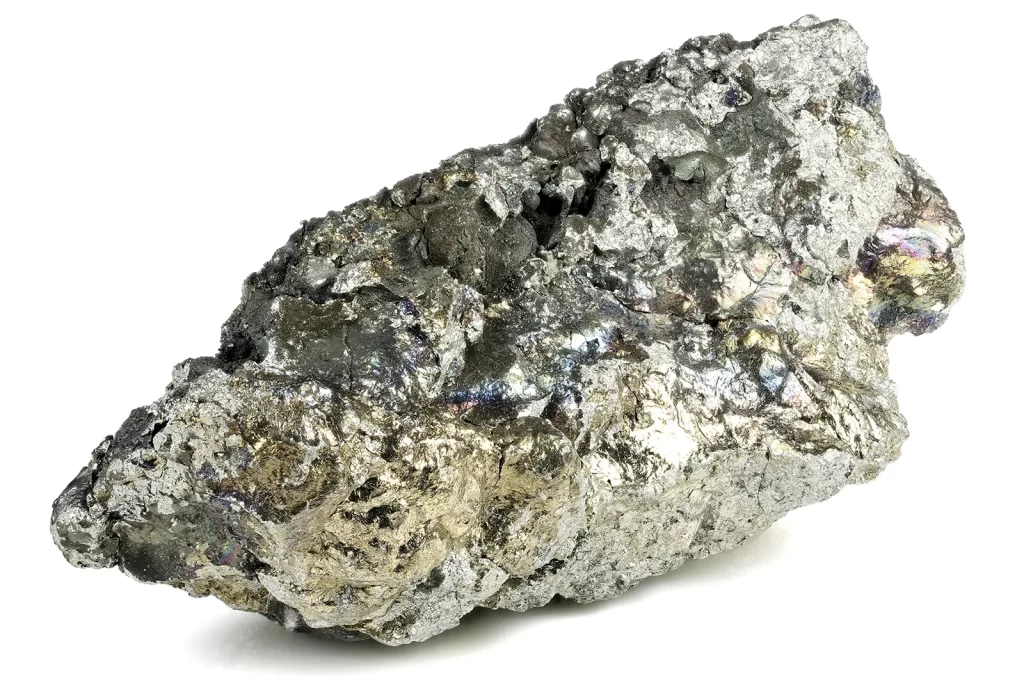
MANGANESE
Manganese is a hard, brittle, silvery metal. Iron and manganese are frequently found together in minerals. In particular, steel structures employ manganese, a transition metal with a broad spectrum of industrial combination applications. Durability, processability, and fatigue strength all increase.
The Earth’s crust contains large amounts of manganese, along with other minerals. After iron, manganese is the transition metal found in the Continental mantle with the second highest abundance. Most of the countries that produce manganese ores include Australia, South Africa, China, Gabon, and Brazil.
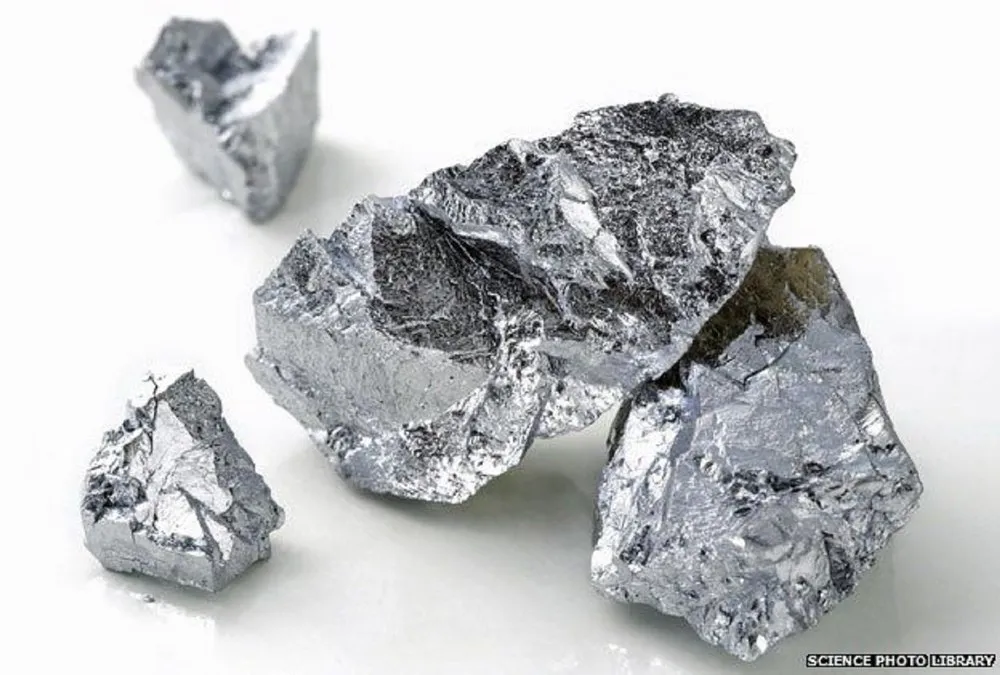
CHROMITE
Chromite is an oxide mineral composed of chromium, iron, and oxygen (FeCr2O4). It has a metallic to submetallic gloss, is dark grey to black in hue, and has a relatively high gravity. It may be found in basic and ultrabasic rock formations as well as metamorphic and strata rocks that are created while eroding or heating chromite-bearing minerals. Chromite remains are usually find in large magmas volcanic intrusions like the Bushveld in South Africa and India. Chromite has an iron-black hue, a metallic sheen, a dark brown pattern, and a toughness of 5.5 according to the Mohs scale.
Chromite is significant because it is the only economically viable source of chromium, which is required for a wide range of industrial, chemical, and metal goods. On gadgets, vehicle parts, and other things, thin platings of chromium alloys are employed. “Chrome plated” is the designation given to them. Superalloys that operate well in the hot, corrosive, and high-stress environment of jet engines are also created using it.
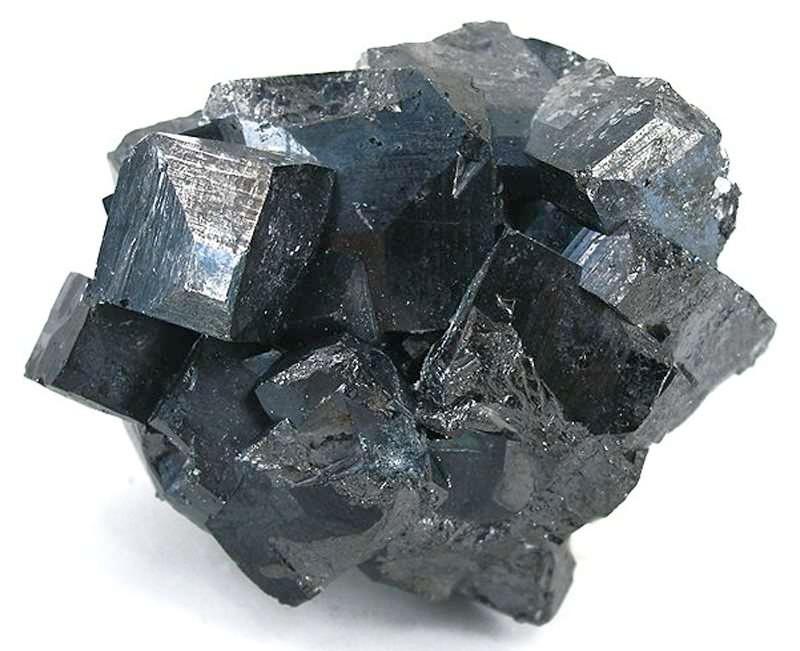
MAGNETITE
One of the primary iron ores is magnetite, a mineral having the chemical formula Fe2+Fe3+2O4. It is ferrimagnetic and is made up of oxidized iron. It is the most magnetic of all naturally occurring minerals found worldwide, aside from the exceedingly rare native iron deposits.
Mohs hardness 5–6 Having a metallic sheen, magnetite is black or brownish-black and produces a black trace. Magnetite is a coarse grain that occurs often in both igneous and metamorphic rocks.
Magnetite may also be discovered in sedimentary materials such as banded metal layers and lakes and ocean deposits, as depositional grains in complement to igneous rocks. It is also believed that magnetite nanoparticles originate in soil, where they are likely to oxidize quickly to generate maghemite.
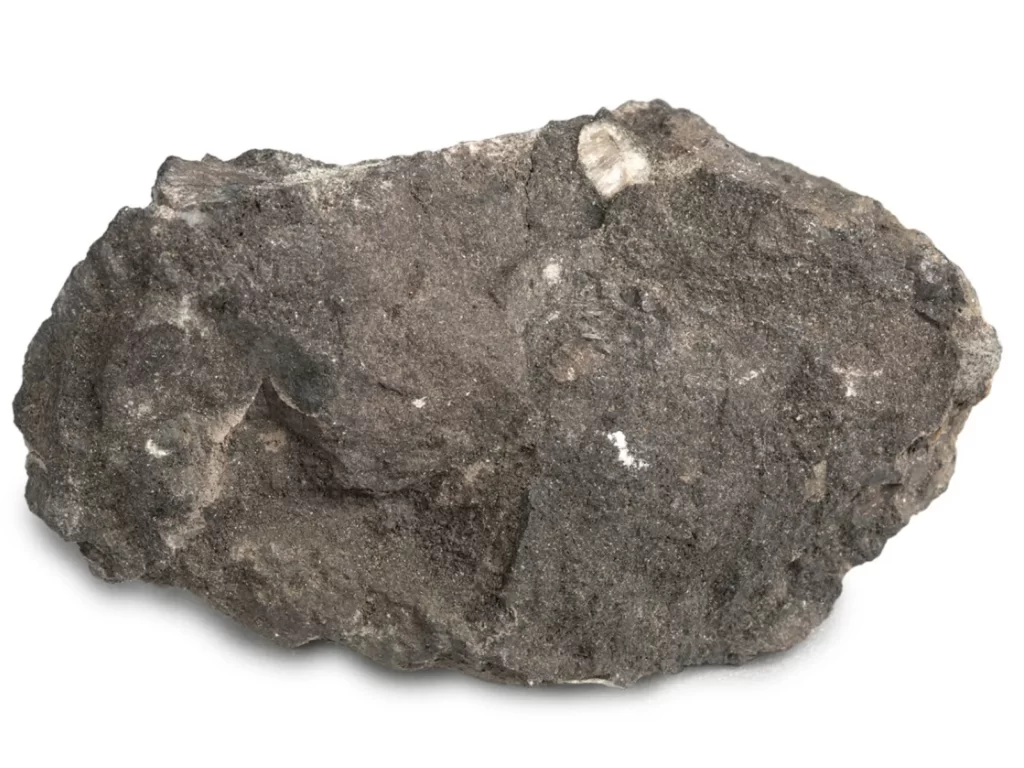
ROCK PHOSPHATE
A non-detrital bedrock with a high concentration of phosphate minerals is known as phosphatide, phosphate rock, or rock phosphate. From 4% to 20% phosphorus pentoxide, phosphorite’s phosphate concentration varies significantly (P2O5). Merchandised phosphate rock has a P2O5 enrichment of at minimum 28% and frequently more than 30%.
Phosphorus-bearing rocks are typically found in limestones and mudstones. Sedimentary rocks rich in phosphate can be found in dark brown to black strata that can range in thickness from a few centimeters to many meters.
Many horticulturalists use biological phosphorus fertilizer made from rock phosphate, also known as phosphorite, which is obtained from phosphorus-rich clay deposits. Rock phosphate was previously the only fertilizer utilized, but owing to supply shortages and poor concentration, most fertilizers now sprayed are processed.
COAL
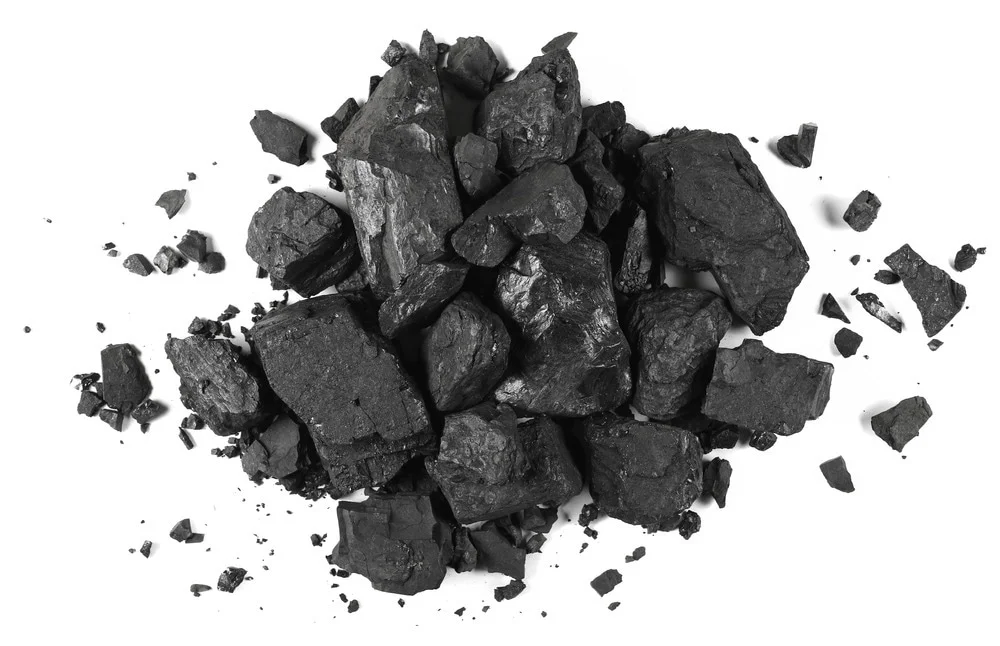
Known as coal deposits, coal is a flammable sedimentary rock that is black or brownish-black in color. With varying proportions of additional elements, primarily hydrogen, Sulphur, oxygen, and nitrogen, coal is mostly composed of carbon. An example of a fossil fuel is coal, which is created when decomposing plant matter turns into peat and then coal under the extreme conditions of deep burying over millions of years. Huge coal reserves were first formed in coal forests, which were vast former swamps that formerly covered most of the tropical territory on Earth in the late Carboniferous (Pennsylvanian) and Permian periods. More recent than this, from the Mesozoic and Cenozoic periods, are several important coal deposits.
HEMATITE
The iron oxide compound hematite, often known as hematite and having the chemical formula Fe2O3, is frequently found in rocks and soils. Natural hematite can be found in shades of red, brown to red – brown, or black to iron or silver-gray. It is exploited as a significant iron ore mineral. It conducts electricity well. In addition to being substantially more fragile, hematite is much tougher than ferrous alloys.
Banded iron deposits have significant hematite deposits. Gray hematite is frequently found near minerals hot springs or still, stagnant water, as those in North America’s Yellowstone National Park.