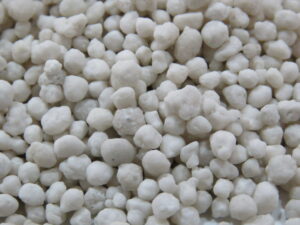
MAP is a common source of phosphorus (P) and nitrogen (N). * It is composed of two common fertilizer constituents and contains the most phosphorus of any common solid fertilizer.
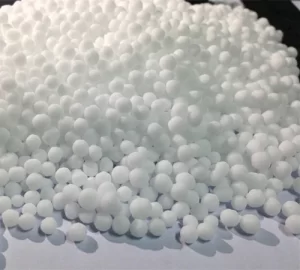
Urea
Urea is a low-cost form of nitrogen fertilizer. This is due to its high nitrogen content and, as a result, low transport and storage costs. When only nitrogen is required in a soil fertility program, urea may be the fertilizer of choice.
Calcium Ammonium Nitrate (CAN)
CAN is a nitrogen fertilizer that contains an equal amount of fast acting nitrate nitrogen and long-lasting ammonium nitrogen. This ensures a more consistent nitrogen supply to the crop and thus improved efficiency of use, and it also allows for unseasonal application during the summer or winter.
Ammonium Sulphate (AS21)
Ammonium sulphate. AS 21 fertilizer (NH4) 2SO4 is a nitrogen fertilizer used both before and after planting and is a good source of sulphur and nitrogen. Because the fertilizer dissolves so well in water, it is a fast-acting fertilizer that is especially recommended for plants which have a large sulphur requirement.
Di-Ammonium Phosphate (DAP)
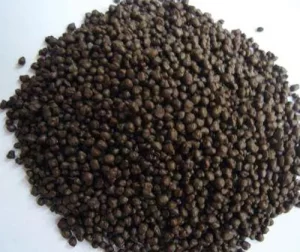
DAP, or di-ammonium phosphate, is a widely used fertilizer because it contains both nitrogen and phosphorus, both of which are primary macronutrients and part of the 18 essential plant nutrients.
Muriate of Potash (MOP)
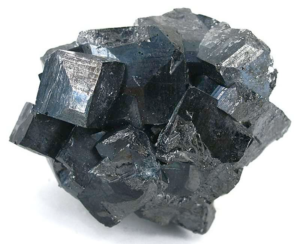
Potash muriate, also known as potassium chloride, contains 60% potash. Potassium is necessary for plant growth and quality. It is crucial for the production of proteins and sugars. It also protects against draughts by retaining the plant’s water content stable, which benefits photosynthesis by keeping the leaves’ shape and vigour.